






















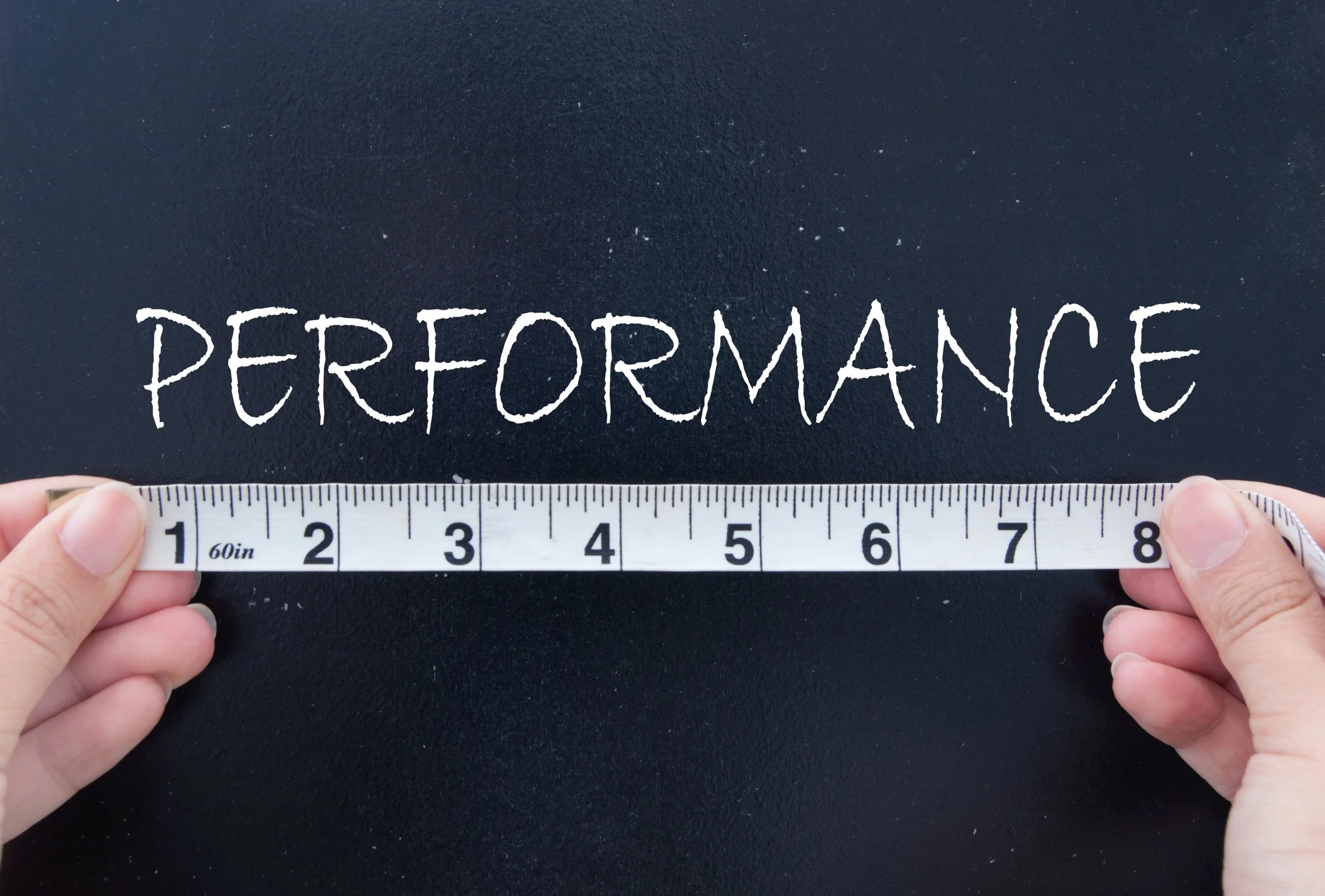



Ask this before you say, “We Need Training.”
/A smarter way to uncover the real performance problem
In many organizations, the pattern is predictable.
A performance issue emerges. Leaders move quickly. Someone says, “We need training.” And just like that, the solution is defined before the problem is fully understood.
Learning and Development teams are then asked to design, deliver, and evaluate a program—often under tight timelines and high expectations.
Sometimes, training is exactly what is needed.
But more often, as the work unfolds, a different reality begins to surface. Employees may understand what to do but still fail to do it consistently. Processes may be unclear. Systems may create friction. Supervisors may not reinforce the expected behavior.
In other words, the issue is not just a capability gap—it is a performance problem shaped by the environment.
This is where L&D professionals can add greater value. Not by pushing back on leadership, but by influencing the conversation earlier through better questions.
The most effective place to start is with outcomes.
Instead of immediately discussing content or delivery methods, shift the conversation by asking:
What specific behavior needs to change?
What measurable improvement would indicate success?
What conditions must exist for that behavior to happen consistently?
These questions redirect attention from the solution to the result. They shift the discussion from “What training should we build?” to “What needs to change in the work itself?”
That shift matters. It creates space to determine whether training is sufficient or whether other factors must be addressed alongside it.
Performance does not happen in isolation. It happens within a system.
That means L&D must also explore the work environment. For example:
How does this expectation fit into the current workflow?
What obstacles might prevent employees from applying the new behavior?
How will supervisors reinforce the change after training?
These are not challenging questions—they are clarifying ones. They help leaders see that behavior change depends on more than instruction alone.
Another powerful way to shape the conversation earlier is by using evidence from prior initiatives.
Every training effort generates insight into what supports or blocks application. Over time, patterns emerge. Perhaps employees adopted a new process only after managers reinforced it. Perhaps a system made the desired behavior harder to perform. Perhaps training was completed successfully, but performance did not change.
These insights are not just observations—they are valuable data that can inform better decisions moving forward.
Importantly, this influence works best when it remains collaborative.
The goal is not to prove that training is the wrong solution. Most leaders are acting in good faith and responding to real problems. Instead, the goal is to refine the response before time and resources are invested in the wrong approach.
Over time, this habit of inquiry changes how L&D is perceived. The team is no longer seen only as a provider of training, but as a partner in understanding performance.
And that is where real impact begins.
The most valuable contribution learning professionals can make is not just delivering training but also helping the organization think more clearly about what drives performance in the first place.
Diagnose first. Train second.